

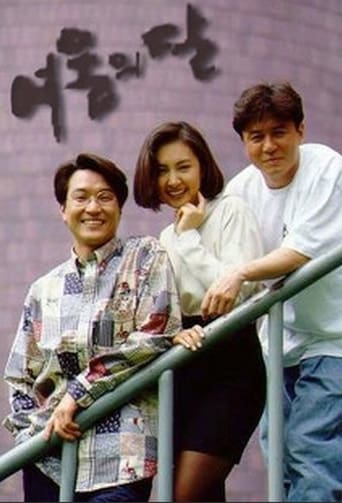
The Moon of Seoul
- Cast entries
- 18
- Episodes
- 81
- Locations
- 4
- Food stops
- 2
Synopsis
A concise overview of the premise, tone, and dramatic setup.
The Moon of Seoul is a Korean drama that explores the struggles and resilience of ordinary people living in the redevelopment areas of 1990s Seoul, highlighting their daily lives amid economic hardship and social challenges.
The Moon of Seoul: A Gritty Time Capsule Worth Revisiting
If you're looking for a glossy, romanticized view of Seoul, you'd best look elsewhere. The Moon of Seoul, a sprawling 81-episode series from 1994, isn't about picture-perfect cafes or Cinderella stories. Instead, it offers a raw, unfiltered look at the lives of ordinary people grappling with economic hardship in the city's redevelopment areas during the 1990s. It's a drama that truly earns its "drama" genre tag, diving deep into the struggles and resilience of characters who are just trying to get by.
What makes this show resonate even today, despite its age, is its unflinching honesty. It doesn't shy away from the harsh realities of urban life, using locations like the Namsan Town Apartments and the bustling Namdaemun and Seoul Station area to paint a vivid picture of a city in flux. You can almost feel the grit and the daily grind through the screen. The transformation of areas like Ok-su-dong, a noted filming location, really hammers home the sense of change and uncertainty that defined the era.
The cast is a major draw. While character names aren't provided, seeing names like Chae Shi-ra, Choi Min-sik, and Han Suk-kyu in the lineup immediately tells you this isn't just any old drama. These are powerhouse actors, even then, and their presence suggests performances that would anchor such a grounded narrative. I can only imagine the depth they brought to portraying everyday struggles, making the characters feel incredibly real and relatable despite the passage of time. Their performances likely sell the emotional weight of the series, drawing you into the characters' personal battles.
This isn't a series for those who prefer quick resolutions or lighthearted escapism. It's for viewers who appreciate character-driven narratives, social commentary, and a dose of realism. It’s for anyone curious about the human spirit's endurance when faced with adversity, set against the backdrop of a rapidly modernizing Seoul. The show's commitment to depicting the lives of its working-class characters, even down to the simple, nostalgic dishes like homemade hamburgers and tteokbokki that might have been eaten at a place like Matna Bunsik, grounds it firmly in its time and place. It’s a compelling, sometimes bleak, but ultimately powerful look at a specific moment in Seoul's history, and it stays with you long after the credits roll.
Stepping Back in Time with 'The Moon of Seoul' Filming Locations
If you're anything like me, sometimes you want to escape the glossy, modern Seoul we often see in dramas and dive into something a bit more raw. The Moon of Seoul, an 81-episode MBC series from 1994, offers just that: a gritty look at ordinary lives in 90s Seoul. While the show itself isn't widely accessible now, its filming locations still tell a story, capturing a glimpse of a bygone era. It's not about grand romantic gestures here; it's about the everyday grind and resilience.
Our first stop takes us to the Namsan Town Apartments. This complex, located at 32 Dasan-ro in Jung-gu, was a key backdrop for the series. It's worth a visit not just for its connection to the show, but to feel that nostalgic vibe of 1990s Seoul. You can walk around, imagine the characters going about their daily lives, and get a sense of the residential areas that were part of the city's fabric back then. It's less about a specific scene and more about the overall atmosphere it lends to the drama.
Next, we head over to the Namdaemun and Seoul Station area. This isn't just one spot, but an entire bustling district around 405 Hangang-daero in Yongsan District. This part of the city was crucial for showing the urban landscape and the daily routines of countless workers. You can almost hear the clamor and feel the energy that would have been depicted in the series. It's still a vibrant area today, but if you look closely, you can still find echoes of the past, imagining the struggles and hopes of the characters as they navigated this busy hub.
Finally, for a deeper dive into the urban transformation theme of the show, we journey to the Ok-su-dong Community Center at 203 Dokseodang-ro in Seongdong-gu. The series prominently featured the redevelopment of Ok-su-dong, and seeing this community center helps ground that narrative. While specific scenes aren't detailed, the very existence of this location as a filming site underscores the show's focus on how neighborhoods change and how those changes impact the people living there. It's a poignant reminder of Seoul's constant evolution and the stories embedded within its streets.
While the Sejong Center for the Performing Arts is listed as a filming location, the provided data doesn't offer specific scene details. However, it's a significant cultural landmark in Jongno-gu, and even without direct ties to The Moon of Seoul's plot, its presence in 1990s Seoul would have been notable. If you're exploring the city, it's certainly worth passing by, though perhaps not specifically for its connection to this particular drama. These locations aren't about flashy tourist traps; they're for those who appreciate the quiet history and character that defined Seoul in the 90s, much like the series itself.
Dining Through 90s Seoul: A Food Tour of The Moon of Seoul
When you watch a drama like The Moon of Seoul, which really digs into the struggles of ordinary folks in 1990s Seoul, the food scenes aren't just filler; they tell a story. While the series focuses on the daily grind in redevelopment areas, the glimpses we get into what people are eating really grounds the narrative.
One spot that stands out, even though it's actually in Busan, is Matna Bunsik. It's not in Seoul, but the show uses it to evoke that specific feeling of nostalgia for simple, comforting food. The cast dug into homemade hamburgers and tteokbokki there, which sounds like the perfect kind of cheap eats that would fuel anyone trying to make ends meet. It makes me think of those small, local eateries that are everywhere in Korea, serving up quick, satisfying meals without breaking the bank. It's a place that captures that specific era's casual dining experience.
Then there's Iyeo Gomtang Jongno Branch, right in the heart of Seoul. While the data doesn't explicitly state what was eaten there, a gomtang place suggests hearty, soul-warming beef bone soup. That kind of dish isn't just food; it's comfort, it's sustenance, especially during tougher times. It's the kind of meal you'd have after a long day, something to fill you up and give you strength. Given the drama's themes of economic hardship, a bowl of gomtang would fit right in as a representation of everyday resilience.
These food spots, even if they're not central to every plot point, really help to paint a picture of life in 1990s Seoul. They show us the kinds of places ordinary people frequented, the simple, honest food that was part of their daily routine. It's a subtle but effective way the show uses its settings to deepen our understanding of its characters' lives.
A Glimpse into 90s Seoul: "The Moon of Seoul" Still Resonates
I recently revisited "The Moon of Seoul," an 81-episode drama from 1994, and it's quite the journey back in time. This series really dives deep into the lives of ordinary people struggling in the redevelopment areas of 1990s Seoul. It's less about grand narratives and more about the nitty-gritty of daily life, economic hardship, and the social challenges folks faced back then. You feel the weight of their resilience, even if the struggles are sometimes a bit relentless.
The casting is certainly a highlight. You've got veterans like Chae Shi-ra, Choi Min-sik, and Han Suk-kyu, all delivering performances that ground the show in a palpable reality. It's interesting to see how these actors, now icons, embodied the spirit of the times with such raw authenticity. Their portrayal of characters navigating difficult circumstances is what makes the series stick with you.
One of the coolest aspects of the show is its use of real Seoul locations. They filmed at Namsan Town Apartments, which really sets that nostalgic 90s vibe. You also see the gritty urban landscape around Namdaemun and Seoul Station, capturing the daily grind of workers. Even the transformation of Ok-su-dong, with its community center, ties into the show's theme of change and the impact on local communities. These locations aren't just backdrops; they feel like characters themselves, silently telling the story of a changing city.
While the series offers a valuable historical snapshot, its 81-episode run is a commitment. Without a specific rating, it's hard to judge its broader appeal from a critical standpoint, but if you're into slice-of-life dramas that prioritize character and setting over fast-paced plots, this could be for you. It's definitely not for those who need high-octane drama or a quick binge. "The Moon of Seoul" is a slow burn, a detailed look at a specific era, and it lingers because it captures a real, lived experience of a transforming city and its people. It's a drama for history buffs and those who appreciate deep character studies, even if the pacing might feel a bit slow by today's standards.
Filming locations
Places connected to scenes, checked against source links before they appear publicly.
- 01
Namsan Town Apartments
남산타운아파트32 Dasan-ro, Jung-gu, Seoul, South Korea서울 중구 다산로 32This location served as a filming site for the drama 'The Moon of Seoul'. It is noted for its nostalgic connection to the 1990s Seoul.
Namsan Town Apartment 15, 32 Dasan-ro, Jung-gu, Seoul Special Cityblog.naver.com - 02
Sejong Center for the Performing Arts
세종문화회관175 Sejong-daero → Jongno-gu → Seoul → Seoul서울 종로구 세종대로 175Sejong Center for the Performing Artsblog.naver.com - 03
Namdaemun and Seoul Station
남대문·서울역405 Hangang-daero, Yongsan District, Seoul, South KoreaThis area captures the gritty urban landscape and the daily lives of workers.
Capturing the urban underbelly and the daily lives of workers.blog.naver.com - 04
Ok-su-dong Community Center
옥수동 주민센터203 Dokseodang-ro, Seongdong-gu, Seoul, Seoul서울 성동구 독서당로 203The article discusses the transformation of Ok-su-dong, which is a filming location for 'The Moon of Seoul'.
The filming location of 'Seoul's Moon,' which has become a 'wealthy neighborhood'... The transformation of Okusudong continues.blog.naver.com
Food & places
Restaurants, cafes, markets, and dishes tied to the drama or the reader's visit path.
- 01Restaurant
Iyeo Gomtang Jongno Branch
Hanwoo Beef Soup70 Yulgok-ro 4-gil, Jongno-gu, Jongno-gu, Seoul, Seoul서울 종로구 율곡로4길 70The Running Man members found a gomtang restaurant located in Jongno.blog.naver.com - 02Restaurant
Matna Bunsik
Homemade Hamburger42-4 Seodong Market-gil, Geumjeong-gu, Busan, South Korea부산 금정구 서동시장길 42-4The members showcased their eating skills with nostalgic dishes including homemade hamburgers and tteokbokki.
Matna Bunsik is a long-established eatery that has been around for over 40 years, and it is particularly famous for its old-fashioned handmade hamburgers.blog.naver.com
More to explore
Step beyond this drama — explore filming sites, food spots, and related titles across the catalog.
Production
Broadcast details, runtime, language, and key production credits.
- Directors
- Jung In
- Writers
- Kim Woon-kyeong
Source: TMDB
Cast & characters
Key roles, performers, and character context for quick scanning.
 Cha Young-sookChae Shi-ra채시라
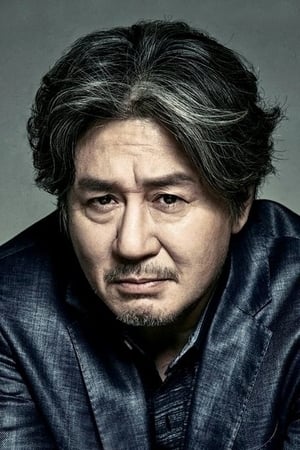 Park Chun-seobChoi Min-sik최민식
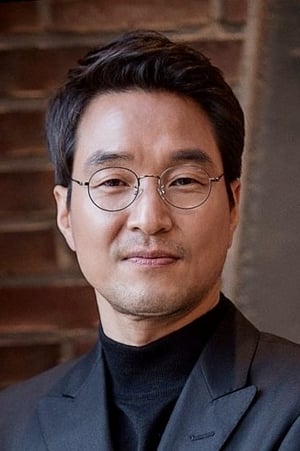 Kim Hong-sikHan Suk-kyu한석규
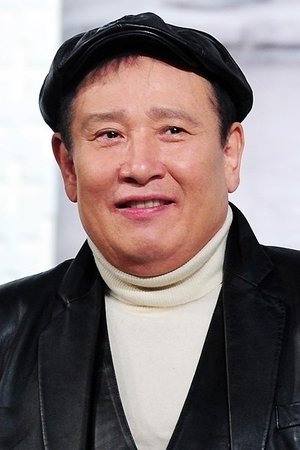 Old manLee Dae-geun이대근
 Home grandmotherNa Moon-hee나문희
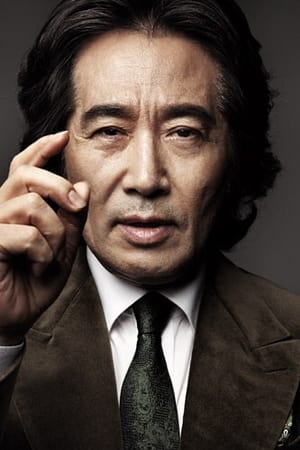 Kim In-ChulBaek Yoon-sik백윤식
 Young Sook's MotherNam Neung-mi남능미
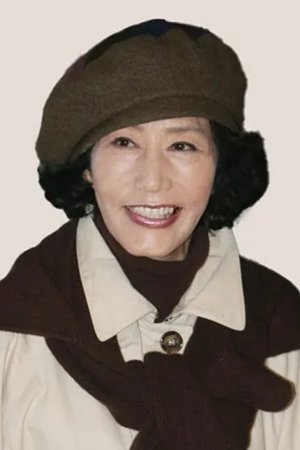 Sang Gook's grandmotherYeo Un-gye여운계
 Sang Gook's motherKim Hae-sook김해숙
 Jang Ok-HeeYoon Mi-ra윤미라
 Cha In-GeunLee Hoon이훈
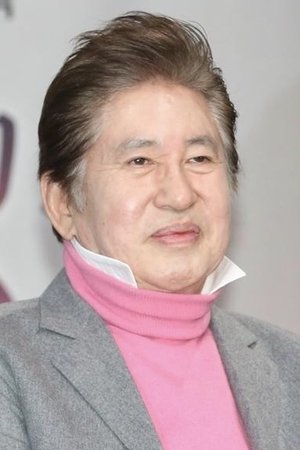 Teacher ParkKim Yong-geon김용건
 Lee Ho-SoonKim Won-hee김원희
Source: TMDB
Lead actors
Lead performer biographies and notable credits.
Chae Shi-raas Cha Young-sook
Chae Shi-ra is a prominent South Korean actress, born on June 25, 1968, in Seoul. She began her career as a cover model in magazines in 1982, making her acting debut in commercials before gaining fame in 1985 with the KBS2 drama "High School Diary." This role marked her rise as a high teen star, and she soon became a well-known figure alongside contemporaries such as Ha Hee-ra and Kim Hye-soo. Chae solidified her acting credentials with her performance in the acclaimed 1991 MBC drama "Eyes of Dawn," which earned her recognition as a top actress. Throughout the 1990s and beyond, she showcased her versatility in various roles, including the ambitious politician So Hye-wang in the historical drama "The King and I" (1998) and the strong-willed Lady Jami in "The Great King Sejong" (2004). She has since focused on powerful roles in historical dramas, including "The Great Queen Seondeok" and reprised her role as So Hye-wang in "Insu-dae-bi" in 2011. Outside of her acting career, Chae Shi-ra is known for her selective approach to projects, often choosing leading roles and avoiding minor parts. She is also active in social causes, having served as a promotional ambassador for various organizations and participated in community initiatives alongside her husband, singer Kim Tae-wook. Chae continues to be a respected figure in the South Korean entertainment industry, both for her contributions to acting and her philanthropic work.
Choi Min-sikas Park Chun-seob
Choi Min-sik, born on May 30, 1962, is a prominent South Korean actor celebrated for his powerful and transformative performances. He first captured audience attention with his role in the television series *The Moon of Seoul* in 1994, but it was his breakthrough film, *Shiri* (1999), that solidified his status as a leading actor in the industry. Choi's career-defining moment came with his extraordinary performance in *Oldboy* (2003), which not only received critical acclaim but also earned him numerous accolades, including Best Actor awards at the Baeksang Arts Awards, the Blue Dragon Film Awards, and the Grand Bell Awards. Continuing to build on his success, Choi starred in a series of high-profile films such as *Lady Vengeance* (2005), *I Saw the Devil* (2010), and *The Admiral: Roaring Currents* (2014). The latter became the highest-grossing film in South Korea, further cementing his legacy. His performance in *The Admiral* earned him the Grand Prize at the 51st Baeksang Arts Awards. In 2014, Choi made waves internationally with a role in the Hollywood film *Lucy*, and he was recognized as Gallup Korea's Film Actor of the Year. In the following years, Choi remained an active presence in Korean cinema with notable works like *Forbidden Dream* (2019) and *Exhuma* (2024). He also made a significant return to television with *Big Bet* in 2022, marking his first drama series appearance in over twenty years. Through his diverse roles and dedication to his craft, Choi Min-sik continues to be regarded as one of South Korea's greatest actors.
Han Suk-kyuas Kim Hong-sik
Han Suk-kyu is a prominent South Korean actor, born on November 3, 1964. He gained fame in the 1990s as one of the leading figures in Korean cinema, achieving critical acclaim with a series of notable films such as *Green Fish*, *No. 3*, *The Contact*, *Christmas in August*, and the groundbreaking action thriller *Shiri*, which not only became a box office hit but also signaled a pivotal change in the Korean film industry. After a brief hiatus due to a herniated disc, Han returned to the screen, showcasing his versatility through both film and television roles. His significant works in recent years include the historical drama *Deep Rooted Tree*, the espionage thriller *The Berlin File*, and the crime drama *The Prison*. He is perhaps best known for his role as Teacher Kim in the hit medical drama *Dr. Romantic*, which aired from 2016 to 2023. Additionally, he has appeared in the thriller series *Watcher* and is set to feature in the psychological drama *Doubt*, further solidifying his status as a respected actor in the industry.

Lee Dae-geunas Old man
Lee Dae-geun is a prominent South Korean actor known for his contributions to both film and television. Born on July 1, 1940, he has established a long and varied career in the entertainment industry, showcasing his versatility and talent across different genres. With decades of experience, Lee has become a familiar face in Korean dramas and films, earning recognition for his engaging performances. His work reflects a deep commitment to his craft, making him a respected figure among peers and audiences alike. As he continues to act, Lee Dae-geun remains an important part of South Korea's rich cinematic landscape.
Na Moon-heeas Home grandmother
Na Moon-hee is a celebrated South Korean actress who has left an indelible mark on the entertainment industry since the 1960s. Born on November 30, 1941, she has become synonymous with the archetypal Korean mother figure through her compelling performances in a variety of television dramas. Notable works include "Even if the Wind Blows," "The Most Beautiful Goodbye in the World," "My Name is Kim Sam Soon," and "It's Me, Grandma," showcasing her versatility and depth as an actress. In addition to her television success, Na has also excelled in film, earning critical acclaim for her roles in "Crying Fist," "You Are My Sunshine," "Cruel Winter Blues," and the widely praised "I Can Speak." The latter film earned her Best Actress awards at the 54th Baeksang Arts Awards, the 38th Blue Dragon Film Awards, and the 55th Grand Bell Awards, a remarkable achievement that underscores her talent and dedication to her craft. After gaining renewed popularity through comedic roles in sitcoms like "Unstoppable High Kick!," Na starred in the hit comedy "Mission Possible: Kidnapping Granny K," followed by significant roles in films such as "Girl Scout," "Harmony," "Twilight Gangsters," and "Miss Granny." Her contributions to the arts have been recognized with a Lifetime Achievement Award from MBC in 2010 and the Bo Gwan Order of Cultural Merit in 2012, affirming her status as a beloved icon in Korean entertainment.
Where to watch
Availability is grouped by country and provider type.
 wavve
wavve
Streaming data via JustWatch through TMDB.
Episodes
Episode stills, air dates, runtimes, and summaries.
- Ep 1Episode 11994-01-08 · 50 min
- Ep 2Episode 21994-01-09 · 50 min
- Ep 3Episode 31994-01-15 · 50 min
- Ep 4Episode 41994-01-16 · 50 min
- Ep 5Episode 51994-01-22 · 50 min
- Ep 6Episode 61994-01-23 · 50 min
- Ep 7Episode 71994-01-29 · 50 min
- Ep 8Episode 81994-01-30 · 50 min
- Ep 9Episode 91994-02-05 · 50 min
- Ep 10Episode 101994-02-06 · 50 min
- Ep 11Episode 111994-02-12 · 50 min
- Ep 12Episode 121994-02-13 · 50 min
- Ep 13Episode 131994-02-19 · 50 min
- Ep 14Episode 141994-02-20 · 50 min
- Ep 15Episode 151994-02-26 · 50 min
- Ep 16Episode 161994-02-27 · 50 min
- Ep 17Episode 171994-03-05 · 50 min
- Ep 18Episode 181994-03-06 · 50 min
- Ep 19Episode 191994-03-12 · 50 min
- Ep 20Episode 201994-03-13 · 50 min
- Ep 21Episode 211994-03-19 · 50 min
- Ep 22Episode 221994-03-20 · 50 min
- Ep 23Episode 231994-03-26 · 50 min
- Ep 24Episode 241994-03-27 · 50 min
- Ep 25Episode 251994-04-02 · 50 min
- Ep 26Episode 261994-04-03 · 50 min
- Ep 27Episode 271994-04-09 · 50 min
- Ep 28Episode 281994-04-10 · 50 min
- Ep 29Episode 291994-04-16 · 50 min
- Ep 30Episode 301994-04-17 · 50 min
- Ep 31Episode 311994-04-23 · 50 min
- Ep 32Episode 321994-04-24 · 50 min
- Ep 33Episode 331994-04-30 · 50 min
- Ep 34Episode 341994-05-01 · 50 min
- Ep 35Episode 351994-05-07 · 50 min
- Ep 36Episode 361994-05-08 · 50 min
- Ep 37Episode 371994-05-14 · 50 min
- Ep 38Episode 381994-05-15 · 50 min
- Ep 39Episode 391994-05-21 · 50 min
- Ep 40Episode 401994-05-22 · 50 min
- Ep 41Episode 411994-05-28 · 50 min
- Ep 42Episode 421994-05-29 · 50 min
- Ep 43Episode 431994-06-04 · 50 min
- Ep 44Episode 441994-06-05 · 50 min
- Ep 45Episode 451994-06-11 · 50 min
- Ep 46Episode 461994-06-12 · 50 min
- Ep 47Episode 471994-06-18 · 50 min
- Ep 48Episode 481994-06-19 · 50 min
- Ep 49Episode 491994-06-25 · 50 min
- Ep 50Episode 501994-06-26 · 50 min
- Ep 51Episode 511994-07-02 · 50 min
- Ep 52Episode 521994-07-03 · 50 min
- Ep 53Episode 531994-07-09 · 50 min
- Ep 54Episode 541994-07-10 · 50 min
- Ep 55Episode 551994-07-16 · 50 min
- Ep 56Episode 561994-07-17 · 50 min
- Ep 57Episode 571994-07-23 · 50 min
- Ep 58Episode 581994-07-24 · 50 min
- Ep 59Episode 591994-07-30 · 50 min
- Ep 60Episode 601994-07-31 · 50 min
- Ep 61Episode 611994-08-06 · 50 min
- Ep 62Episode 621994-08-07 · 50 min
- Ep 63Episode 631994-08-13 · 50 min
- Ep 64Episode 641994-08-14 · 50 min
- Ep 65Episode 651994-08-20 · 50 min
- Ep 66Episode 661994-08-21 · 50 min
- Ep 67Episode 671994-08-27 · 50 min
- Ep 68Episode 681994-08-28 · 50 min
- Ep 69Episode 691994-09-03 · 50 min
- Ep 70Episode 701994-09-04 · 50 min
- Ep 71Episode 711994-09-10 · 50 min
- Ep 72Episode 721994-09-11 · 50 min
- Ep 73Episode 731994-09-17 · 50 min
- Ep 74Episode 741994-09-18 · 50 min
- Ep 75Episode 751994-09-24 · 50 min
- Ep 76Episode 761994-09-25 · 50 min
- Ep 77Episode 771994-10-01 · 50 min
- Ep 78Episode 781994-10-02 · 50 min
- Ep 79Episode 791994-10-08 · 50 min
- Ep 80Episode 801994-10-09 · 50 min
- Ep 81Episode 811994-10-15 · 50 min
Source: TMDB
Videos
Trailers, OST, interviews, making clips, reviews, and recommendations.
Trailers & teasers
OST
Interviews & making-of
Source: YouTube
Gallery
Posters, backdrops, and stills from the drama.
Source: TMDB
Similar dramas
Related titles to continue browsing.

Source: TMDB