
- Cast entries
- 20
- Episodes
- 24
- Locations
- 4
- Food stops
- 1
Synopsis
A concise overview of the premise, tone, and dramatic setup.
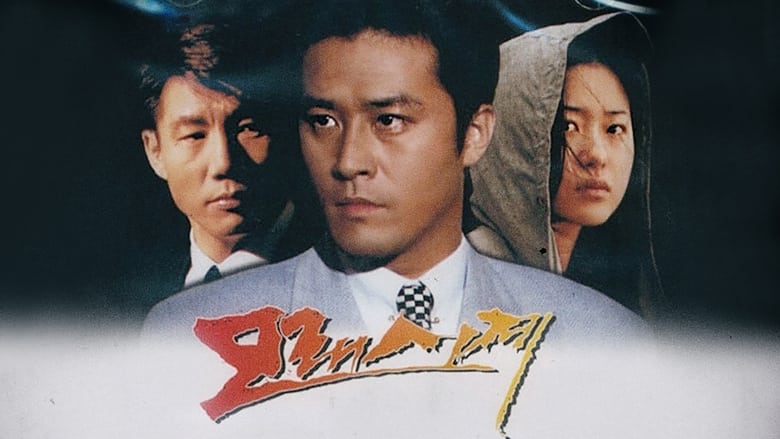
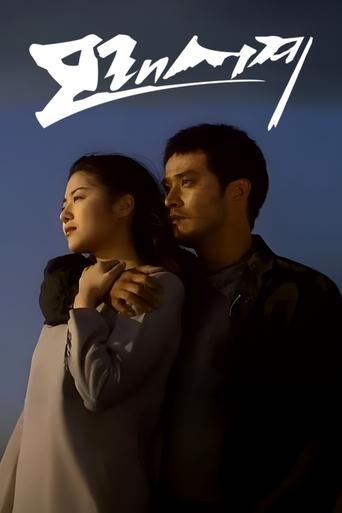
"Sandglass" is a renowned South Korean television drama that aired on SBS in 1995, consisting of 24 episodes. Written by Song Ji-na and directed by Kim Jong-hak, the series explores the tragic bond between three friends as they navigate the political and social turmoil of 1970s and 1980s Korea.
The show masterfully blends politics, melodrama, and action, showcasing powerful performances from its lead actors: Choi Min-soo, Go Hyun-jung, and Park Sang-won. "Sandglass" achieved a remarkable peak rating of 64.5%, marking it as one of the highest-rated dramas in Korean television history. Its portrayal of the Gwangju Massacre is particularly noted for its intense realism and emotional impact, making it a pivotal moment in the landscape of Korean drama.
Why "Sandglass" Still Resonates
Watching "Sandglass" isn't just about revisiting a classic; it's about experiencing a pivotal piece of Korean history and drama. This 1995 SBS series, despite being nearly three decades old, remains incredibly powerful thanks to its unflinching portrayal of 1970s and 80s South Korea. If you're looking for a show that dives deep into political and social turmoil, intertwined with intense personal stories, this is absolutely it.
The central tension revolves around three friends whose lives are inextricably bound by the volatile times. It's a heavy show, no doubt. The series doesn't shy away from the brutal realities of the era, and its depiction of the Gwangju Massacre is particularly renowned for its raw realism and emotional weight. This isn't entertainment in the light, fluffy sense; it's a dramatic exploration of a nation's scars, and it pulls no punches.
The performances are a huge reason for the show's enduring legacy. Choi Min-soo, Ko Hyun-jung, and Park Sang-won anchor the series with their compelling portrayals. While the synopsis doesn't detail their specific roles, their collective work contributed to that remarkable 64.5% peak rating. You can tell these actors poured their souls into these characters, making their struggles and relationships feel incredibly authentic. Even actors like Lee Jung-jae, though perhaps in a smaller role, contribute to the depth of the ensemble.
What truly makes the series work is how it blends the grand historical narrative with intimate human drama. You're not just watching history unfold; you're seeing how it crushes, shapes, and sometimes strengthens individuals. The mood created is one of profound gravitas, often somber, but always gripping. It's the kind of drama that stays with you long after the final credits roll.
This isn't for viewers seeking a lighthearted escape. But if you appreciate historical dramas with substance, complex character arcs, and a deep emotional core, "Sandglass" is absolutely worth your time. It’s a testament to powerful storytelling and a window into a critical period of Korean history, making it a must-watch for anyone interested in the genre or the country's past. The titular sandglass, symbolizing the passage of time, is even featured prominently at Jeongdongjin Sandglass Park, a key location that captures the show's reflective tone. If you ever visit, you can feel the weight of its themes there, especially with the sea views from the Sandglass Pine Tree, or even at the Jungdongjin Time Museum nearby. It really brings home the idea that this is a story about time, change, and enduring human spirit.
Jeongdongjin: A Trip Through Time, K-Drama Style
If you're anything like me, you've probably rewatched "Sandglass" more times than you care to admit. The drama, with its intense portrayal of 1970s and 80s Korea, truly left an impression. The historical weight, the intertwining fates of the characters, and of course, the iconic sandglass itself. So, when I decided to revisit some of its filming locations, I knew Jeongdongjin would be at the top of my list.
First stop, naturally, was Jeongdongjin Sandglass Park. It's not just a park, it's a statement. The giant sandglass there really makes you reflect on the themes of the show, how time moves forward regardless of the turmoil. I could almost hear the dramatic soundtrack playing in my head. The park itself is really serene, and you can see why it was chosen to symbolize so much in the series. It's also known as a prime sunrise spot, so if you're an early bird, it's worth getting there before dawn. Just a short walk from Jeongdongjin Station, you'll also find the Sandglass Pine Tree, which offers a stunning view of the sea. It's very picturesque, definitely a spot for a good photo op.
Right there within the park, you'll find the Jungdongjin Time Museum. This place is less about the drama directly and more about, well, time itself. It's a fun little detour with unique exhibits. I don't recall any specific scenes being filmed inside the museum, but it ties into the overall theme of the area and the series quite nicely.
For those looking to extend their stay and enjoy some breathtaking views, the Sun Cruise Resort is a must-see. Perched on a hill, it looks like a giant cruise ship that's somehow docked on land. The views of the sunrise from here are absolutely spectacular. It's a bit of a landmark in Jeongdongjin, and while I didn't stay there, I definitely stopped to admire the unique architecture and the panoramic vista.
Finally, for a bit of active exploration, I highly recommend the Jeongdongjin Rail Bike. You get to pedal along the coast, taking in all the beautiful sea views. It's a really unique way to experience the area and just soak in the scenery. After all that exploring, I was pretty hungry. While not a location from the show, I did grab a delicious breakfast at Mubongri Sundae Gukbap. It hit the spot after a morning of revisiting K-drama history.
This little trip to Jeongdongjin really brings the essence of the show to life. It's not just about seeing where scenes were shot, but feeling the atmosphere that inspired such a powerful story. If you're a fan of "Sandglass" or just appreciate stunning coastal scenery with a touch of history, this region is definitely worth the journey.
A Taste of "Sandglass" Beyond the Screen
"Sandglass," a true titan of Korean television from 1995, isn't just known for its gripping narrative of friendship amidst political upheaval or its astounding 64.5% peak viewership. While the drama itself is a masterclass in blending politics, melodrama, and action, particularly with its unflinching portrayal of the Gwangju Massacre, it also subtly highlights a spot that's become a personal favorite for a different kind of immersion.
After diving deep into the tumultuous 1970s and 80s Korea that Choi Min-soo, Go Hyun-jung, and Park Sang-won's characters navigate, sometimes you just need something comforting. That's where Mubongri Sundae Gukbap comes in. Though the series itself doesn't explicitly feature dining scenes here, it's mentioned as a place where I, the author, enjoyed a delicious breakfast. It's that kind of hearty, warming meal that feels like a perfect counterpoint to the intensity of the show, offering a moment of quiet reflection. Imagine starting your day with a bowl of their sundae gukbap, perhaps contemplating the complex loyalties and sacrifices depicted in the series. It's a taste of Korea that grounds you, even when the drama takes you through such high-stakes history.
While the drama's core story unfolds against a backdrop of significant historical events, the mention of this food spot provides a small, relatable connection to the daily life that continues alongside grand narratives. It reminds you that even amidst profound social and political change, life's simple pleasures, like a good meal, endure. It might not be a direct scene from the show, but it adds a layer to the experience of watching it, offering a moment of personal connection to the culture beyond the screen.
Sandglass: A Timeless Look at Korea's Tumultuous Past
Sandglass isn't just another K-drama, it's a foundational piece of Korean television history. With a staggering 64.5% peak rating, this 1995 SBS series captivated an entire nation, and watching it now, it's easy to see why. The show plunges you headfirst into the tumultuous 1970s and 1980s, exploring the deep, often tragic, bonds between three friends caught in the political and social upheaval of the era. The blend of melodrama, action, and stark political commentary feels incredibly ambitious even today.
The series is particularly renowned for its portrayal of the Gwangju Massacre. It's not glossed over; the realism and emotional weight given to this pivotal historical event are truly impactful. You really feel the gravity of what happened, which makes the drama more than just entertainment, it's a powerful history lesson. Choi Min-soo, Ko Hyun-jung, and Park Sang-won deliver performances that are, quite frankly, legendary. Their characters' journeys, intertwined with the nation's struggles, are what give the series its lasting power.
Familiar locations like Jeongdongjin Sandglass Park become more than just backdrops; they're woven into the show's very fabric. The colossal sandglass there symbolizes the relentless march of time, a constant reminder of the past shaping the present, a theme central to the series. The scenic beauty of Jeongdongjin, including the Sandglass Pine Tree with its sea views and the iconic Sun Cruise Resort perched on a hill, would have provided a serene contrast to the intense drama unfolding on screen. And while I never had a chance to visit the Jungdongjin Time Museum, I imagine its theme of time would resonate deeply with the show's narrative.
This show isn't for those looking for lighthearted romance or fantasy. It's a heavy, intense watch, clocking in at 24 episodes. But for anyone interested in Korean history, powerful character-driven drama, and truly exceptional acting, Sandglass is an essential experience. It lingers long after the final credits roll, prompting reflection on friendship, loyalty, and the price of freedom. With an 8.7/10 rating, it's clear this drama's impact is still felt today, and I'd recommend it wholeheartedly to anyone ready to dive deep into a significant piece of Korean storytelling.
Filming locations
Places connected to scenes, checked against source links before they appear publicly.
- 01
Jeongdongjin Sandglass Park
정동진 모래시계 공원Jeongdongjin-ri, Gangdong-myeon, Gangneung-si, Gangwon Special Self-Governing Province강원특별자치도 강릉시 강동면 정동진리Jeongdongjin Sandglass Park features a large sandglass that symbolizes the passage of time, making it a significant filming location for the drama 'Sandglass'. Visitors can experience the serene atmosphere that reflects the themes of the show. / Sandglass Park is a well-known sunrise spot and connects directly to Jeongdongjin Station. It features beautiful landscapes and is a popular location for tourists on New Year's Day. / The Sandglass Pine Tree is located near Jeongdongjin Station and offers a beautiful view of the sea, making it a picturesque spot for visitors.
Since the re-release of 'Sandglass' on Netflix, I really wanted to walk along Jeongdongjin again. [...] In particular, using the deck railing as a subtle frame and capturing the shimmer of the water beyond resulted in some emotionally resonant photos.blog.naver.com - 02
Jungdongjin Time Museum
정동진시간박물관990-1 Heonhwa-ro, Gangdong-myeon, Gangneung-si, Gangwon Special Self-Governing Province강원특별자치도 강릉시 강동면 헌화로 990-1The museum features unique exhibitions related to time and is located within the Sandglass Park. It offers a fun experience for visitors.
Jeongdongjin Time Museum - An interesting and unique exhibition space themed around Time.blog.naver.com - 03
Sun Cruise Resort
썬크루즈 리조트950-39 Heonhwa-ro, Gangdong-myeon, Gangneung-si, Gangwon Special Self-Governing Province강원특별자치도 강릉시 강동면 헌화로 950-39Sun Cruise Resort is situated on a hill and offers stunning views of the sunrise, making it a notable landmark in the Jeongdongjin area.
Especially on New Year's Day, Jeongdongjin is a place crowded with tourists wanting to see the New Year's sunrise.blog.naver.com - 04
Jeongdongjin Rail Bike
정동진레일바이크17 Jeongdongyeok-gil, Gangdong-myeon, Gangneung-si, Gangwon Special Self-Governing Province강원특별자치도 강릉시 강동면 정동역길 17The Jeongdongjin Rail Bike offers a unique experience of riding along the coast while enjoying the beautiful views of the sea and the surrounding area.
There are really many travelers coming to Jeongdongjin Station to ride the rail bike.blog.naver.com
Food & places
Restaurants, cafes, markets, and dishes tied to the drama or the reader's visit path.
- 01Restaurant
Mubongri Sundae Gukbap
Sundae Gukbap2787 S Parker Rd, Aurora, CO 80014, USAThis restaurant is mentioned as a place where the author enjoyed a delicious breakfast during their stay.
For breakfast, I quickly went to the Mubong-ri Sundae Gukbap restaurant, which is just a 5-minute walk away, and had a delicious meal.blog.naver.com
More to explore
Step beyond this drama — explore filming sites, food spots, and related titles across the catalog.
Production
Broadcast details, runtime, language, and key production credits.
- Creators
- Kim Jong-hak김종학Song Ji-na
- Directors
- Kim Jong-hak김종학Yu Chang-guk유창국
- Writers
- Song Ji-na
Source: TMDB
Cast & characters
Key roles, performers, and character context for quick scanning.
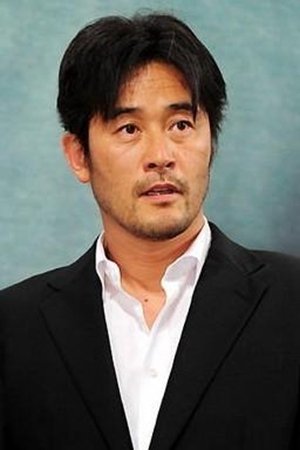 Park Tae-sooChoi Min-soo최민수
 Yoon Hye-rinKo Hyun-jung고현정
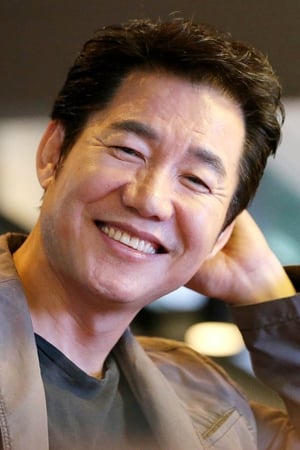 Kang Woo-sukPark Sang-won박상원
 Baek Jae-heeLee Jung-jae이정재
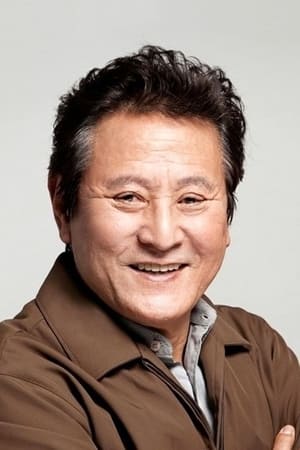 President YoonPark Keun-hyong박근형
- Lawyer MinKim Jong-gyeol
 Jang Do-shikNam Seong-hoon남성훈
 Reporter ShinLee Seung-yun이승연
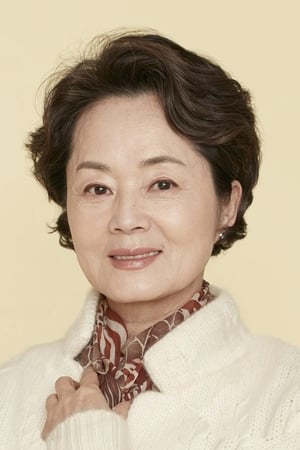 Tae-soo's motherKim Young-ae김영애
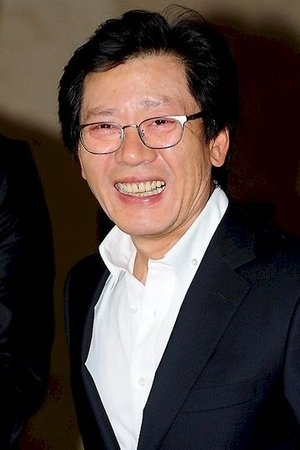 Park Sung-beomLee Hee-do이희도
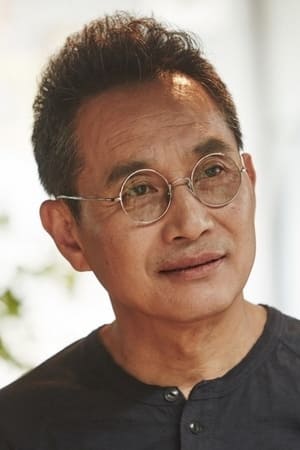 Lee Jong-doJeong Seong-mo정성모
 Kim Jeong-hyeonKim Jeong-hyeon김정현
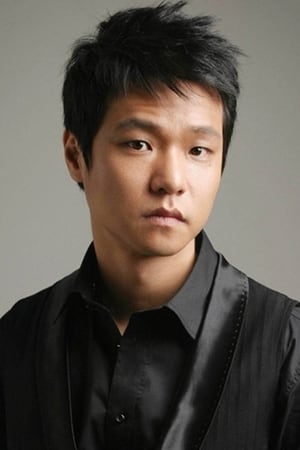 Hong Kyung-inHong Kyung-in홍경인
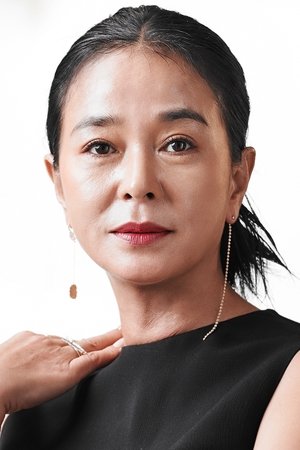 Jang Sun-youngCho Min-soo조민수
 Jung In YoungSon Hyun-joo손현주
Source: TMDB
Lead actors
Lead performer biographies and notable credits.
Choi Min-sooas Park Tae-soo
Choi Min-soo is a prominent South Korean actor, celebrated for his compelling performances and tough-guy persona. Born on March 27, 1962, he emerged as one of the leading figures in the Korean film and television industry during the 1990s. Choi first gained critical acclaim with his role in the film "Nambugun: North Korean Partisan in South Korea" (1990), which earned him the Blue Dragon Film Award for Best Supporting Actor. His popularity soared with notable roles in the television series "What Is Love" (1991) and the film "The Marriage Life" (1992). Choi's portrayal of a hardened character in the series "Walking Up to Heaven" (1993) firmly established his image as a "tough guy." His talent was further recognized with a Best Actor award for his performance in "The Terrorist" (1995), making him one of the few actors to have received accolades across all categories at South Korea's prestigious award ceremonies. Transitioning primarily to television, he starred in successful series like "The Legend" (2007) and continued to captivate audiences with performances in "Happy Ending" (2012), "Man Who Dies to Live" (2017), "Lawless Lawyer" (2018), and "Numbers" (2023). Choi Min-soo remains a significant figure in the entertainment industry, known for his versatility and enduring appeal.
Ko Hyun-jungas Yoon Hye-rin
Go Hyun-jung, born on March 2, 1971, is a prominent South Korean actress who first captured public attention as a runner-up in the Miss Korea beauty pageant in 1989. Her acting career took off with her role in the iconic drama "Sandglass" in 1995, which is celebrated as one of the highest-rated series in Korean television history. After her marriage to chaebol Chung Yong-jin in 1995, Go put her career on hold, stepping away from the limelight. However, following their divorce in 2003, she made a remarkable comeback, quickly regaining her status as a leading actress. Her talent and hard work paid off, and she became the highest-paid actress on television, thanks to her acclaimed performances in series such as "Queen Seondeok" and "Big Thing." Today, Go Hyun-jung remains a beloved figure in the entertainment industry, known for her versatility and enduring appeal.

Lee Jung-jaeas Baek Jae-hee
Lee Jung-jae is a renowned South Korean actor, filmmaker, and businessman, born on December 15, 1972. He started his career as a fashion model in 1993, quickly transitioning to acting with notable roles in the film "The Young Man" and the TV series "Feelings" and "Sandglass," the latter of which became one of Korea's highest-rated dramas. His breakout role came with the film "An Affair" in 1998, followed by the acclaimed "City of the Rising Sun" in 1999, which earned him the Best Actor award at the Blue Dragon Film Awards. Over the years, Lee has starred in a variety of successful films, including romantic dramas like "Il Mare" and "Last Present," alongside action-packed projects such as "Typhoon" and the critically acclaimed "The Housemaid." His impressive filmography includes box office hits like "The Thieves," "New World," and the "Along with the Gods" series, which solidified his status as one of Korea's top movie stars. Lee gained international recognition for his role as Seong Gi-hun in Netflix's "Squid Game," earning nominations for prestigious awards such as the Primetime Emmy Award and the Golden Globe Award. His performance marked a significant milestone as he became the first male Asian actor to achieve nominations across multiple major award shows. Beyond acting, Lee is also a successful entrepreneur with ventures in the restaurant industry and real estate development. In 2022, he received the Geumgwan Order of Cultural Merit, underscoring his contributions to South Korean culture and arts.

Park Keun-hyongas President Yoon
Where to watch
Availability is grouped by country and provider type.
 Amazon Video
 Netflix
 Watcha
 Netflix Standard with Ads
Streaming data via JustWatch through TMDB.
Episodes
Episode stills, air dates, runtimes, and summaries.
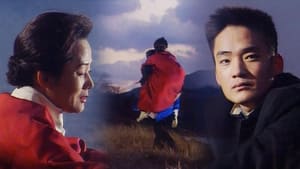 Ep 1Episode 11995-01-09 · 60 min
 Ep 2Episode 21995-01-10 · 60 min
 Ep 3Episode 31995-01-11 · 60 min
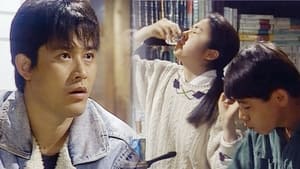 Ep 4Episode 41995-01-12 · 60 min
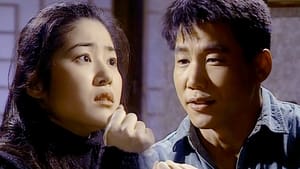 Ep 5Episode 51995-01-16 · 60 min
 Ep 6Episode 61995-01-17 · 60 min
 Ep 7Episode 71995-01-18 · 60 min
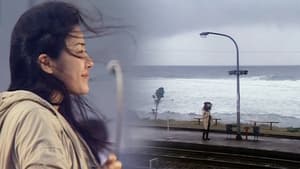 Ep 8Episode 81995-01-19 · 60 min
 Ep 9Episode 91995-01-23 · 60 min
 Ep 10Episode 101995-01-24 · 60 min
 Ep 11Episode 111995-01-25 · 60 min
 Ep 12Episode 121995-01-26 · 60 min
 Ep 13Episode 131995-01-30 · 60 min
 Ep 14Episode 141995-01-31 · 60 min
 Ep 15Episode 151995-02-01 · 60 min
 Ep 16Episode 161995-02-02 · 60 min
 Ep 17Episode 171995-02-06 · 60 min
 Ep 18Episode 181995-02-07 · 60 min
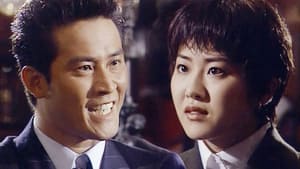 Ep 19Episode 191995-02-08 · 60 min
 Ep 20Episode 201995-02-09 · 60 min
 Ep 21Episode 211995-02-13 · 60 min
 Ep 22Episode 221995-02-14 · 60 min
 Ep 23Episode 231995-02-15 · 60 min
 Ep 24Episode 241995-02-16 · 60 min
Source: TMDB
Videos
Trailers, OST, interviews, making clips, reviews, and recommendations.
Trailers & teasers
OST
Interviews & making-of
Reviews & recommendations
Source: YouTube
Gallery
Posters, backdrops, and stills from the drama.


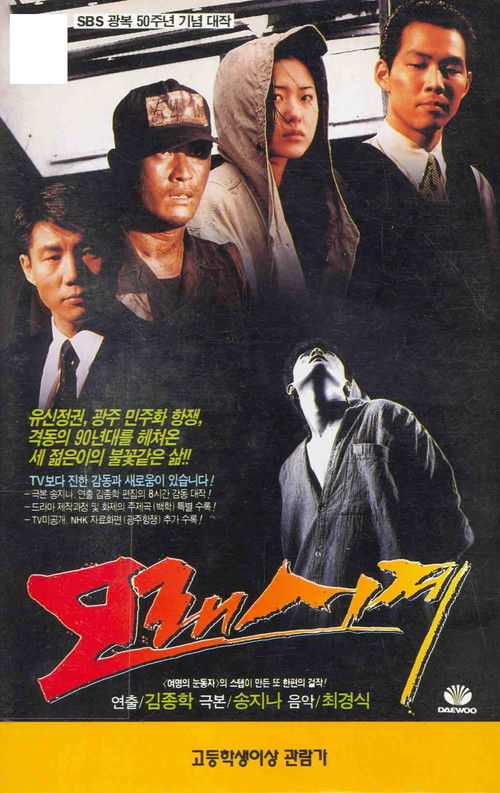
Source: TMDB
Similar dramas
Related titles to continue browsing.


Source: TMDB