

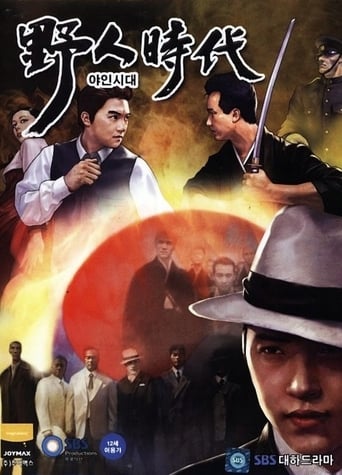
Rustic Period
- Cast entries
- 15
- Episodes
- 2
- Locations
- 5
- Food stops
- Not available for this drama
Synopsis
A concise overview of the premise, tone, and dramatic setup.
"Rustic Period" is a historical drama that chronicles the tumultuous life of Du-han Kim, a figure who navigates the challenging eras of Korean history. From his beginnings as a street urchin to becoming a prominent player in the political sphere, the series explores his journey through the dark days of Japanese occupation and the subsequent ideological conflicts that arise in post-liberation Korea.
This 124-episode series, which aired from 2002 to 2003, delves into themes of resilience and ambition, showcasing a cast of characters who influence Du-han's life, including his father, a war hero, and various allies and rivals. "Rustic Period" vividly portrays the struggles and hopes of individuals living through significant historical upheaval, earning it widespread acclaim and a devoted fanbase during its original broadcast.
Why "Rustic Period" Still Resonates
If you're looking for a historical drama that doesn't shy away from the gritty realities of a turbulent era, Rustic Period is definitely worth your time. This isn't a fluffy romance or a lighthearted comedy; it's a deep dive into the life of Du-han Kim, a figure who truly lived through some of Korea's most challenging times. The show spans his journey from a street urchin to someone deeply involved in politics, showing how a person can be shaped and hardened by their environment.
What truly makes this series compelling is its unflinching look at the Japanese occupation and the messy ideological conflicts that followed liberation. It doesn't sugarcoat the struggles, but instead paints a vivid picture of individuals trying to survive and even thrive amidst historical upheaval. You really get a sense of the immense pressure and constant danger people faced. The sheer scope of the story, unfolding over 124 episodes, allows for an incredibly detailed and nuanced exploration of Du-han's life and the many characters who impact him, from his war hero father to his allies and rivals.
The cast, though listed without specific character names in the provided data, delivers some powerhouse performances. Actors like Ahn Jae-mo and Kim Yeong-cheol, for instance, portray the depth and complexity of individuals caught in these historical currents. You can feel the weight of their choices and the consequences that ripple through their lives. The series masterfully builds an atmosphere that transports you directly into that period, using locations like Incheon Chinatown to recreate the Japanese colonial era and Bukchon Hanok Village for its traditional architecture.
I was particularly impressed by the use of Buchon Fantastic Studio, which perfectly recreates the streets of Seoul from the 1930s to the 1970s. It’s here that you see iconic confrontations, like the alley showdown between Kim Du-han and Gu Ma-jeok, brought to life with incredible authenticity. Even the Yain Jidae Camping Site Cultural Park, which served as a filming location, adds to this sense of historical immersion, featuring traditional Korean houses.
This isn't a series for the faint of heart or for those who prefer quick resolutions. It’s a commitment, but one that rewards viewers with a rich, detailed, and often intense portrayal of a pivotal time in Korean history. If you appreciate historical accuracy, strong character development, and a drama that isn't afraid to tackle difficult subjects, then the SBS drama is an excellent choice. It’s for anyone who wants to understand the resilience and ambition of those who lived through a truly rustic period.
Step Back in Time with "Rustic Period" Filming Locations
If you're a fan of "Rustic Period" and want to walk in the footsteps of Du-han Kim, you're in for a treat. This historical drama, with its sweeping portrayal of Korea's tumultuous past, utilized some truly evocative locations. You can actually visit several key spots that brought the Japanese colonial period and post-liberation struggles to life.
First up, we have a couple of fantastic spots in Gyeonggi-do that are practically next-door to each other. You could start your day at the Yain Jidae Camping Site Cultural Park in Bucheon. It's more than just a camping site; it features traditional Korean houses that were used in the series. It gives you a real sense of the architecture from that era, and you can even imagine characters like Du-han Kim navigating those same grounds. Just a short hop away, also in Bucheon, is the Buchon Fantastic Studio. This place is an open-air set, meticulously designed to recreate the streets of Seoul from the 1930s to the 1970s. It’s where pivotal scenes, like the confrontation between Kim Du-han and Gu Ma-jeok in an alley, were filmed. Walking through here, you really get transported back in time, seeing the old storefronts and cobbled streets that shaped the show's atmosphere. It’s a bit surreal, in the best way possible.
Next, let's head south to Mokpo-si in Gwangju Metropolitan City for the Seongok Memorial Hall. This isn't just any building; it's famous for being a major filming location for the series. The beautiful garden and the well-maintained stone building provide a glimpse into the more refined, perhaps even political, settings that Du-han Kim would have encountered. It’s a stark contrast to the gritty streets of the studio set, showing the range of environments depicted in the series.
Finally, for a taste of the colonial era's influence, Incheon Chinatown is a must-see. The show utilized this vibrant area to perfectly capture the feeling of the Japanese colonial period. While it's a bustling modern-day Chinatown, you can still feel the echoes of history in its architecture and narrow streets. It’s a great place to wander, imagining the historical events unfolding around you. And if you're in Seoul, don't miss Bukchon Hanok Village. Its traditional architecture served as a beautiful historical backdrop for some scenes, offering a glimpse into the more traditional Korean way of life amidst all the upheaval. It’s a lovely, serene area that grounds the dramatic narrative in real cultural heritage.
Visiting these places really puts the story of "Rustic Period" into perspective. You get to see the settings that helped define Du-han Kim's journey, from his humble beginnings to his rise in the political sphere, and it adds another layer to appreciating the show's historical depth. It’s an interesting blend of history and fiction, letting you connect with the series on a whole new level.
A long, gritty journey through history
Rustic Period takes us on a sprawling journey through the life of Du-han Kim, from his tough beginnings as a street urchin all the way to becoming a political figure. This isn't a light watch. The series really digs into the challenging eras of Korean history, especially the Japanese occupation and the complicated ideological conflicts that followed liberation. It's a drama, and it's definitely an adventure, following Du-han's resilience and ambition through 124 episodes.
What makes the show stand out is its commitment to recreating those past eras. They filmed in places like Incheon Chinatown, which really helped set the scene for the Japanese colonial period. And if you've ever been to Bukchon Hanok Village, you'll recognize its traditional architecture providing an authentic historical backdrop. I particularly liked how they used Buchon Fantastic Studio, an open set that brought 1930s to 1970s Seoul back to life. Seeing scenes, like the alley where Kim Du-han and Gu Ma-jeok faced off, filmed there, made the history feel tangible.
While the series is undeniably thorough in its historical scope and character development, it's a huge time commitment. We're talking 124 episodes here, which is a big ask for many viewers today. The TMDB vote average of 6.0/10 suggests it's a solid, if not universally beloved, historical drama. It's not a short binge, but rather a long-term investment into a significant period of Korean history through the eyes of a central figure and the many characters who shaped his life, including his father, a war hero, and various allies and rivals.
So, who's this for? If you're a history buff, especially interested in mid-20th century Korea, and you don't mind a very long, character-driven narrative, then Rustic Period could be a great watch. It’s got that gritty, epic feel that some historical dramas really nail. However, if you prefer something shorter, faster-paced, or with a more polished, modern feel, this might not be your cup of tea. It's a commitment, but one that offers a deep dive into a fascinating, turbulent time.
Filming locations
Places connected to scenes, checked against source links before they appear publicly.
- 01
Yain Jidae Camping Site Cultural Park
야인시대 캠핑장 문화동산South Korea, Gyeonggi-do, Bucheon, 원미구 상동 길주로 1This location served as a filming site for the drama 'Yain Jidae' and is currently used as a camping site. It features traditional Korean houses and various facilities for visitors.
In this post, we took a moment to look at the 'Yain Era Camping Culture Park' and the locations where 'Yain Era' was filmed.blog.naver.com - 02
Seongok Memorial Hall
성옥기념관11 Yeongsan-ro, Mokpo-si, Gwangju Metropolitan City, Jeollanam-do전남광주통합특별시 목포시 영산로 11Seongok Memorial Hall is famous as a major filming location for the drama 'Rustic Period'. It features a beautiful garden and a well-maintained stone building.
The Seongok Memorial Hall is also famous as a major filming location for the drama "Yain Sidae."blog.naver.com - 03
Incheon Chinatown
차이나타운14 Bukseong-dong 2-ga, Jemulpo-gu, Incheon, South Korea인천 제물포구 북성동2가 14Incheon Chinatown was used to recreate the atmosphere of the Japanese colonial period.
Incheon Chinatown (Recreation of the Japanese Colonial Era Background)blog.naver.com - 04
Bukchon Hanok Village
북촌 한옥마을53 Bukchon-ro, Jongno-gu, Jongno-gu, Seoul, Seoul서울 종로구 북촌로 53The traditional architecture of Bukchon Hanok Village provided a historical backdrop for the drama.
Bukchon area in Seoulblog.naver.com - 05
Buchon Fantastic Studio
부천 판타스틱 스튜디오529-2 Sangdong, Wonmi-gu, Bucheon-si, Gyeonggi-do경기 부천시 원미구 상동 529-2Buchon Fantastic Studio is an open set for films and dramas, recreating the streets of Seoul from the 1930s to the 1970s. It has been used for various productions, including the drama 'Rustic Period'. / The location features a restored version of old Seoul, where significant scenes from the drama were filmed, including the alley where Kim Du-han and Gu Ma-jeok faced off.
Bucheon Fantastic Studio.blog.naver.com
More to explore
Step beyond this drama — explore filming sites, food spots, and related titles across the catalog.
Production
Broadcast details, runtime, language, and key production credits.
Source: TMDB
Cast & characters
Key roles, performers, and character context for quick scanning.
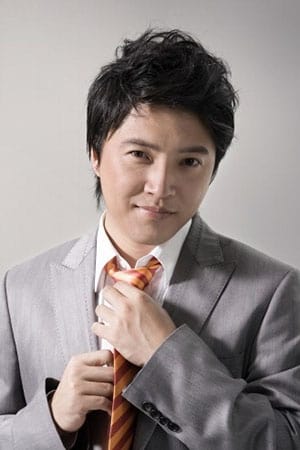 Kim Du-han (youth)Ahn Jae-mo안재모
Kim Du-han is portrayed as a strong-willed young man navigating the challenges of a tumultuous period in Korean history. His character embodies resilience and determination amidst the dark days faced by his country.
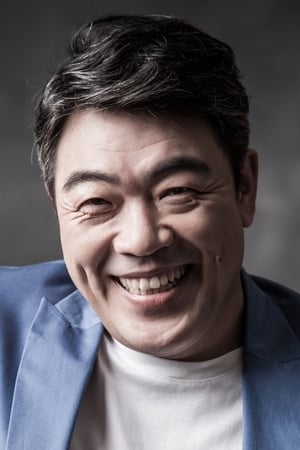 Goo Ma-jukLee Won-jong이원종
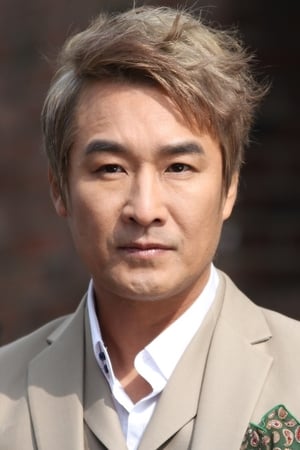 HayashiLee Chang-hoon이창훈
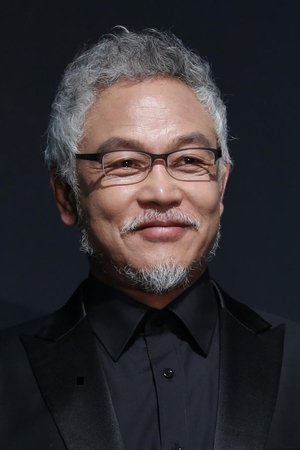 Kim Du-hanKim Yeong-cheol김영철
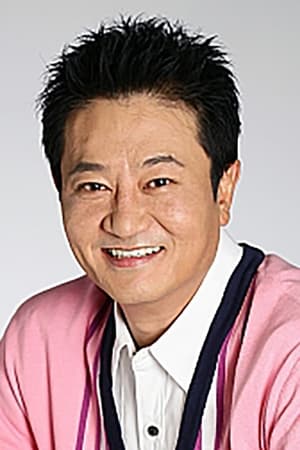 Ssang KalPark Jun-gyu박준규
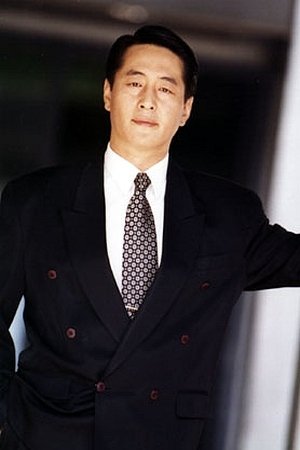 Kim Moo-OkSong Keum-sik송금식
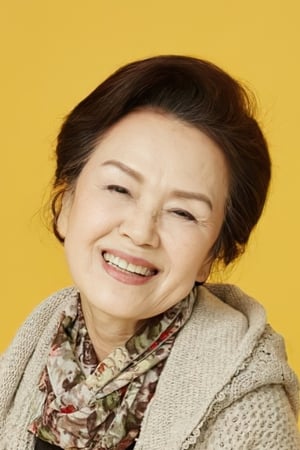 GrandmotherJung Young-sook정영숙
 Sa Ya GoKim Hee-jung김희정
 Park Hun YeongIm Byeong-gi
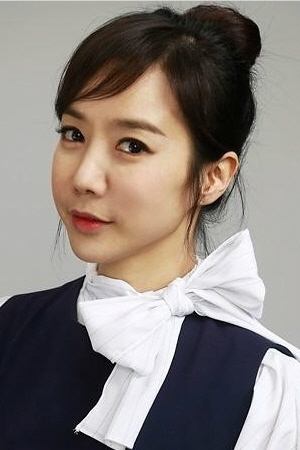 Kim Moo-ok's FriendJung Jung-ah정정아
Source: TMDB
Lead actors
Lead performer biographies and notable credits.
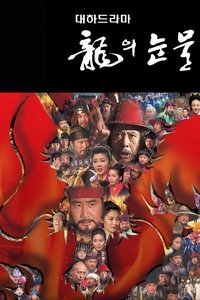
Lee Won-jongas Goo Ma-juk
Lee Won-jong is a prominent South Korean actor known for his versatile performances across various genres. Born on January 1, 1966, he has made significant contributions to the film and television industry in South Korea. With a career that spans several decades, Lee has captivated audiences with his compelling portrayals and ability to embody diverse characters. His work reflects a deep commitment to his craft, earning him recognition and respect within the entertainment community. As a veteran actor, Lee Won-jong continues to engage viewers, demonstrating his enduring talent and passion for acting.
Park Jun-gyuas Ssang Kal
Park Jun-gyu is a prominent South Korean actor, born on June 27, 1964. He follows in the footsteps of his father, the esteemed veteran actor Park No-sik, and has carved out his own niche in the entertainment industry. Known for his versatile acting skills, Park gained significant recognition for his role as Ssangkal in the popular series "Rustic Period." Throughout his career, Park Jun-gyu has demonstrated a remarkable ability to portray a wide range of characters, earning him a loyal fanbase and respect among peers. His contributions to both film and television have established him as a respected figure in the South Korean acting community. With a legacy influenced by his father's work, Park continues to build on his family's artistic heritage while making his mark in the industry.
Where to watch
Availability is grouped by country and provider type.
 Netflix
 Watcha
 Netflix Standard with Ads
Streaming data via JustWatch through TMDB.
Episodes
Episode stills, air dates, runtimes, and summaries.
- Ep 1Episode 12002-07-29 · 60 min
- Ep 124Episode 1242003-09-30 · 60 min
Source: TMDB
Videos
Trailers, OST, interviews, making clips, reviews, and recommendations.
Trailers & teasers
OST
Interviews & making-of
Source: YouTube
Gallery
Posters, backdrops, and stills from the drama.
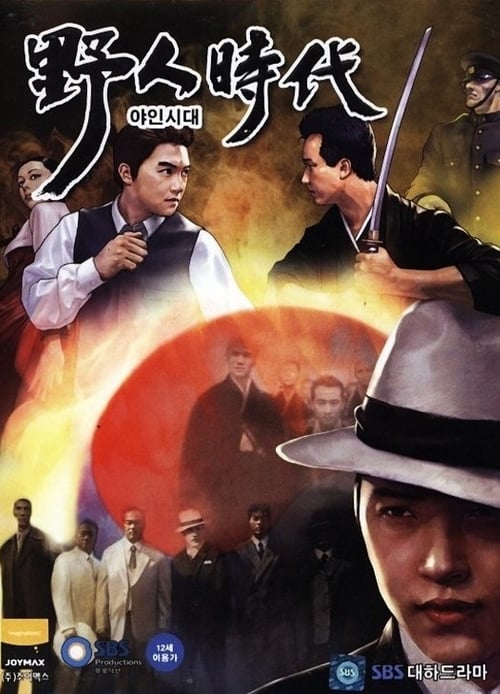
Source: TMDB
Similar dramas
Related titles to continue browsing.
Source: TMDB